
In this busy life of our world, it seems as though processed foods and added sugar are everywhere. Most packaged foods contain a lot of unnecessary ingredients that do not nourish our bodies. This is why it is so important to get back to the basics by choosing whole, natural ingredients. Doing just that can greatly impact our health. For those of us navigating chronic illnesses, autoimmune conditions, or cancer, understanding what we put into our bodies becomes even more important and should be the first step we look at to healing ourselves. Food truly is medicine because it either nourishes your body and supports you in cellular healing or it can cause inflammation. Inflammation is the main driver behind chronic disease. That is why it is so important to make informed, healthier choices that can change the course of our health and repair our bodies.
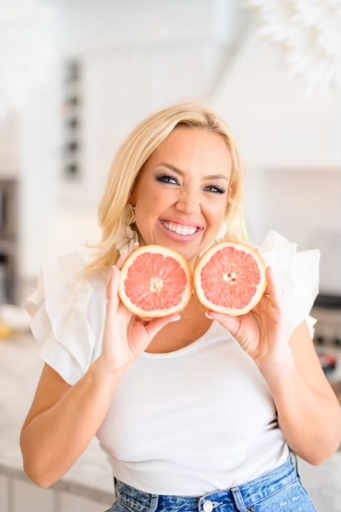
Eating Like Our Ancestors – Nutrient Rich Health Foods
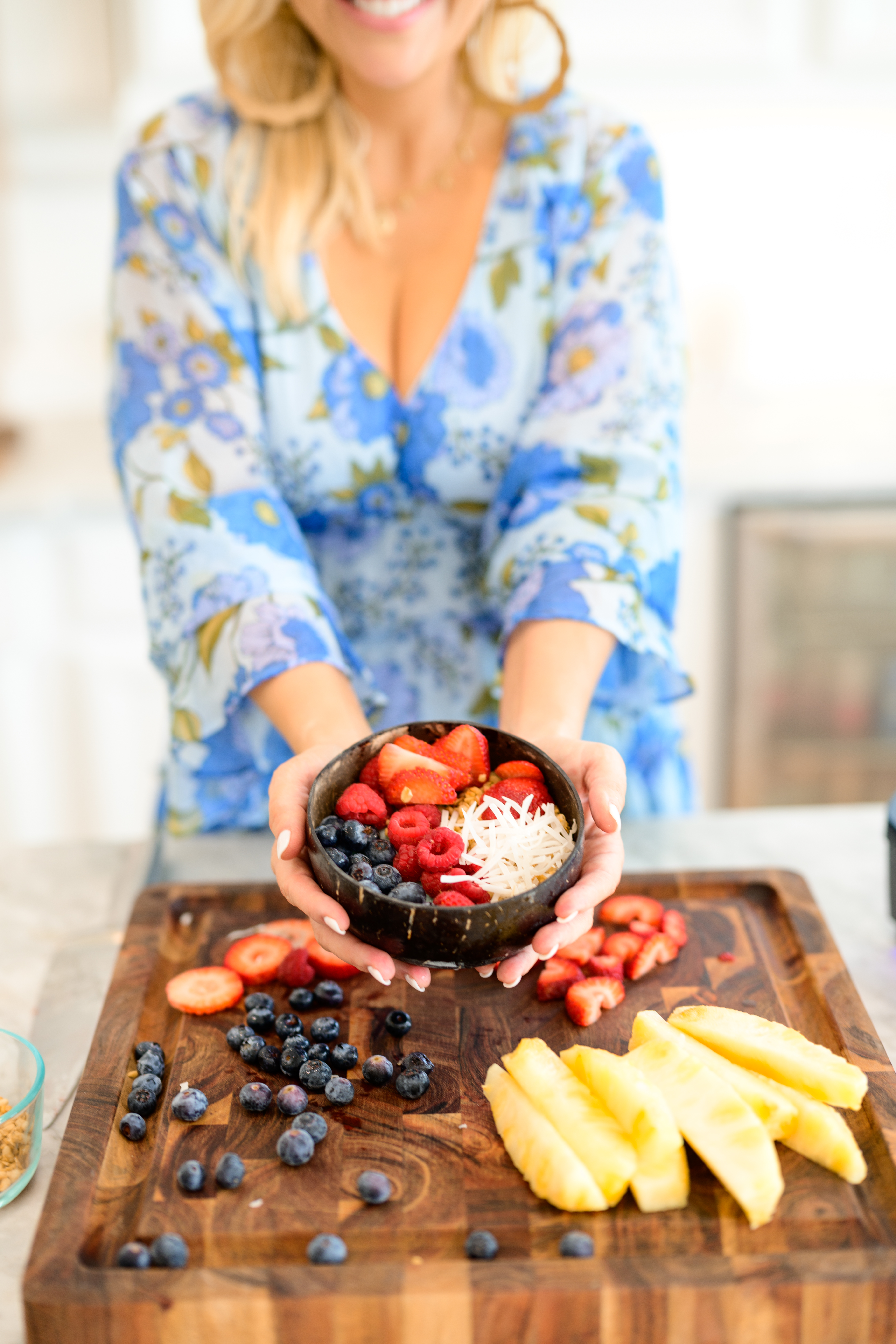
Floral Dress | Bowl | Cutting Board | Organic Strawberries | Organic Blueberries | Pineapple | Shredded Coconut
Our ancestors thrived on whole, unprocessed food, and there’s wisdom in their simplicity. A diet rich in vegetables, fruits, nuts, seeds, lean proteins, and healthy fats can help manage and even reverse chronic illness. Embracing this way of eating can reduce inflammation, improve gut health, and boost overall well-being. Not only is choosing whole ingredients good for us, but Choosing whole ingredients can help us create habits for a life of healthy eating.
The Importance of Reading Food Labels
Reading nutrition labels is a critical step in making healthier choices. Many products that seem healthy on the surface have hidden refined sugars, seed oils, and artificial ingredients that can make health issues worse. By taking the time to read food labels, including the serving size, and understanding each nutrition fact, we can avoid issues. It only takes a few more seconds to turn the package around and look at the nutrition label. This way, you actually know what you are putting in your body, and you can then pick a better option.
Here’s what is important to look for on a Nutrition Label Ingredient List:
Whole Ingredients:
Opt for products with a short ingredient list. Look at each ingredient and make sure you know what it is and can actually say the ingredient. If it’s a long name or not a real whole ingredient, skip that item. When I pick out packaged foods, I like to get things with ingredients that I can pick or gather. Think if you were going to the farmers market: things that are whole, like honey, cilantro, mushrooms, etc. Also, check the daily value percentages on the nutrition facts label to ensure you’re meeting your nutritional needs without exceeding recommended limits for things like sugar, sodium, and saturated fat. Pay attention and be mindful of items with high levels of saturated fat, as these can contribute to heart disease if consumed in excess. Understanding the nutrition facts on labels can help you make informed choices that support your health goals.
Healthy Oils:
Many sauces and packaged foods sneak in seed oils, so reading the nutrition labels is crucial. Steer clear of seed oils like vegetable, canola, soybean, and corn oil. Instead, choose products made with avocado oil, coconut oil, or olive oil. Always look for products with healthy oils to ensure you’re making the best choices for your overall health. It is also very important to cook with healthy oils instead of inflammatory seed oils, opt for these healthier choices:
Avocado Oil: Great for cooking at high temperatures.
Coconut Oil: Perfect for baking and medium-heat cooking, with beneficial fats.
Olive Oil: Best used in dressings or low-heat cooking, rich in antioxidants and heart-healthy fats.
No Added Sugar:
Avoid products with added sugar listed in the first few ingredients. Look for hidden sugar on nutrition labels under names like high fructose corn syrup, sucrose, and dextrose.
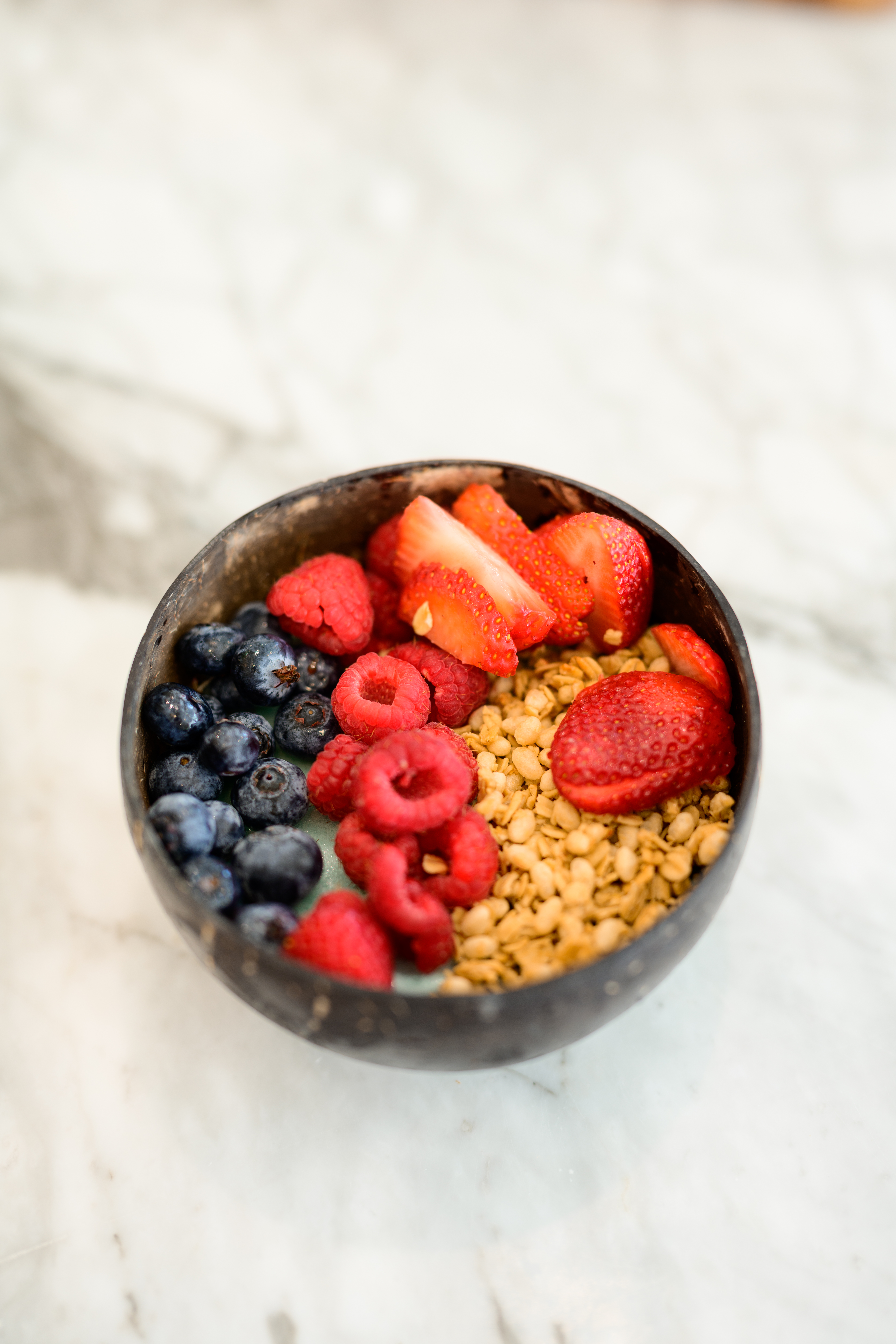
Bowl | Organic Blueberries | Organic Raspberries | Organic Strawberries | Granola
For this delicious acai bowl recipe, click HERE.
Finding Better Health Alternatives
Comparing nutrition labels often allows you to find a healthier version of your favorite products. For example, many brands offer natural peanut butter with just peanuts and salt, avoiding the added sugar and oils found in conventional brands. Sometimes, making your own versions at home is the best option. Homemade salad dressings, nut butter, and snacks ensure you control what goes into your food, keeping it pure and wholesome. That’s why I love making my own dressings, marinades, and sauces.
Substituting Refined Sugar for a Healthier Choice
Refined sugar is one of the biggest culprits in modern diets, contributing to inflammation and chronic diseases. Thankfully, there are healthier alternatives with less added sugar. That is why it is so important to pay attention to the serving size and daily value of sugar listed on the food label of packaged food:
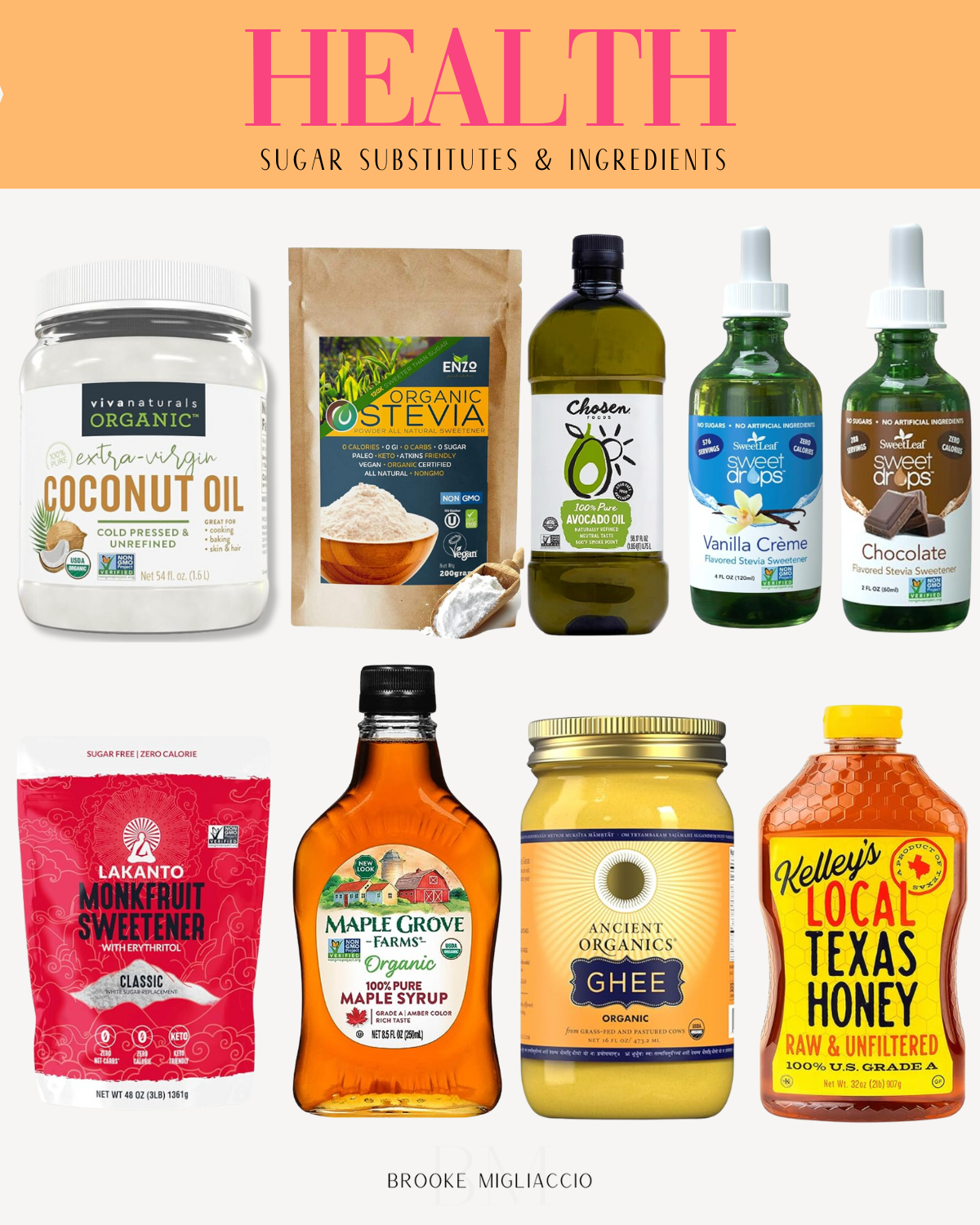
Lakanto Monk Fruit Sweetener: A natural, zero-calorie sweetener that doesn’t spike blood sugar levels.
SweetLeaf Sweet Drops Vanilla Creme: A delicious, all-natural stevia-based sweetener perfect for coffee, tea, and desserts.
Honey: A natural sweetener with antioxidants, ideal for baking and sweetening beverages.
Maple Syrup: A nutrient-rich alternative that can be used in baking and cooking.
Meal Prep: Saves Time and Helps You to Make a Better Food Choice
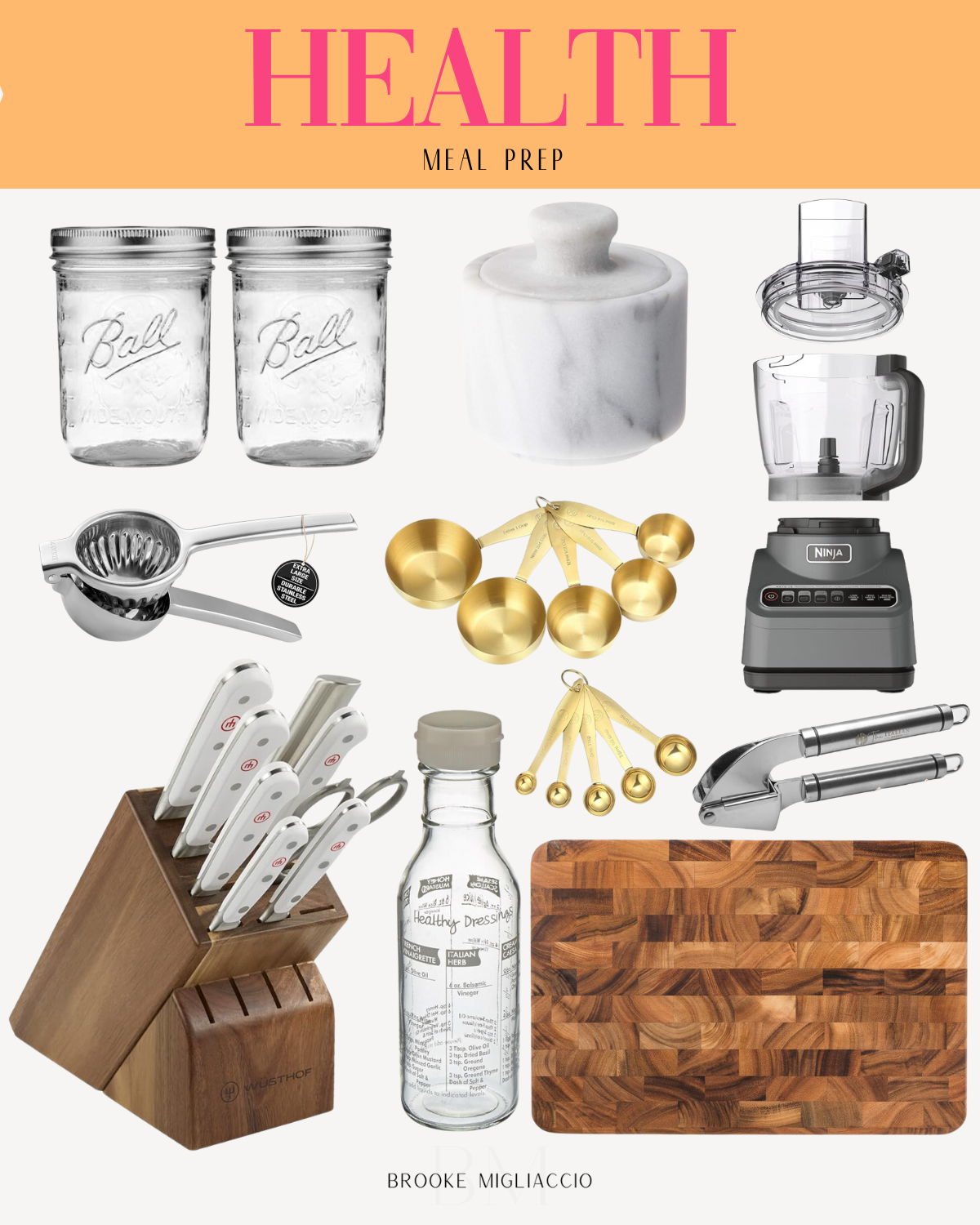
Mason Jars | Salt Holder | Food Processor | Lemon Squeezer | Measures Cups & Spoons | Garlic Mincer Knife Set | Dressing Bottle | Cutting Board
One of the best ways to ensure you’re eating whole, nutritious food is by preparing your own meals and condiments so you can make healthy choices. Our family is really busy during the week, so I personally make different dressings and sauces on Sunday, keeping them in the refrigerator for a week or two in mason jars. This not only saves me time but also ensures that I am picking healthier food choices with a homemade touch to my meals. The kids help me, and we make recipes together and come up with creative ideas. Also, there are a ton of good options online. Here are a few of our favorites:
Homemade Vinaigrette: A blend of olive oil, balsamic vinegar, Dijon mustard, and a touch of honey without any added sugar
Tahini Sauce: A mix of tahini, lemon juice, garlic, and water for a creamy, nutrient-rich dressing.
Pesto: Fresh basil, olive oil, garlic, pine nuts, and raw Parmesan cheese blended to perfection.
Toum: A fluffy, garlicky sauce made from garlic, lemon juice, grapeseed or avocado oil, and salt, perfect for adding a flavorful punch to any dish.
Chimichurri: Is a vibrant sauce made with fresh parsley, garlic, red wine vinegar, oregano, and olive oil. It is perfect for grilling or as a marinade.
Cilantro Lime Marinade: This zesty blend of fresh cilantro, lime juice, garlic, olive oil, and a pinch of salt is ideal for marinating chicken, fish, or tofu.
Here’s a Simple Way to Get Started Picking Better Food Options:
Shop the Perimeter:
Focus on the outer aisles of the grocery store, where fresh produce, meats, and dairy are typically located.
Meal Prep:
Prepare meals and snacks ahead of time to avoid the temptation of processed convenience food. Store food in glass containers.
Educate Yourself:
Continually learn about nutrition and experiment with whole food recipes that make you feel good. Understanding the nutrition facts label on products can help you make informed choices that support your health goals. You can tweak any regular recipe to make it a healthier choice.
Choose Organic When Possible:
Opt for organic produce to avoid pesticides and genetically modified organisms (GMOs). This can further reduce the toxic load on your body and enhance the nutritional value of your food.
Stay Hydrated:
Drink plenty of filtered water throughout the day. Sometimes, our bodies can mistake thirst for hunger, leading to unnecessary snacking. Staying hydrated supports overall health and can help manage cravings.
Avoid Artificial Ingredients:
Steer clear of foods with artificial colors, flavors, and preservatives. These additives can have negative health effects and are often found in highly processed foods.
The Expertise of Functional Medicine Doctors
My functional and integrative medicine doctors, like Dr. Mark Hyman and Dr. Erin-Leigh Connealy, emphasize the importance of these practices. They have explained how whole, unprocessed food can reduce inflammation, support immune function, and even help in the fight against chronic illnesses and cancer. In his article “How to Choose the Best Foods for Your Health,” Dr. Mark Hyman extensively discusses how food is medicine. He highlights the importance of whole foods in maintaining health and preventing disease. Dr. Erin-Leigh Connealy also advocates for nutrient-dense diets in her work, such as in her article “The Anti-Cancer Diet: How to Use the Power of Food to Support Healing”. She emphasizes the role of whole ingredients in boosting the body’s natural defenses against cancer.
A Heartfelt Journey to Health and Wellness
I didn’t grow up knowing about the power of whole foods. After I had heart surgery and conventional medicine wasn’t helping me get better, I started exploring alternatives. Changing my diet to whole foods, eliminating refined sugar, and avoiding seed oils were a game-changer. (at the advice of my functional medicine doctor) It was incredible to see how my bloodwork improved and how I began to heal from the inside out. My anxiety and pain significantly decreased because of these healthier choices. I didn’t eat refined sugar for a year, and my anxiety about my illness completely disappeared. Actually, any and all anxiety went away during that period of time.
Before I started eating no sugar, I read Trudy Scott’s book, “The Antianxiety Food Solution: How the Foods You Eat Can Help You Calm Your Anxious Mind, Improve Your Mood, and End Cravings.” It provided invaluable insights into how dietary changes can alleviate anxiety and improve overall mental health. I think in this fast-paced American society we all need tools to help us maintain good mental health. It is all the little things that add up to make us a more whole and happy person. It is mind and body.
Food is Medicine
I have seen and experienced it time and time again. Food is medicine, and it is a big part of the healing process for restoring or maintaining good health. As the Greek physician Hippocrates said nearly 2500 years ago, “All disease begins in the gut.” Every time we eat, drink, or expose ourselves to chemicals and hormones, we are either feeding disease or fighting it! Isn’t that amazing?
Try eating a whole food, nutrient-rich diet for just ten days. The first couple of days might be tough—you may get a headache from withdrawals—but if you stick it out, you’ll start to see the benefits of healthier food choices. This community is here to support you every step of the way. You’re not alone on this journey. Remember, every small change is a step toward a healthier, happier you. You are important, and your health journey is worth every effort. Let’s get back to basics together and embrace the healing power of real food.



https://shorturl.fm/BTd2J